Comprehending the Addition of Audio Visual Innovation in Today's Educational Environments
The assimilation of audio-visual technology in educational settings has changed the teaching and finding out process. Educators now have accessibility to tools that accommodate numerous finding out styles, improving trainee interaction and cooperation. Nevertheless, the consolidation of these modern technologies offers both opportunities and challenges. Understanding exactly how to efficiently carry out these tools is important. What methods can teachers employ to optimize the benefits of audio-visual technology in their class?
The Evolution of Audio-Visual Technology in Education And Learning
As instructional demands evolved over the decades, audio-visual innovation undertook substantial transformations that improved the knowing environment. Devices such as movie projectors and slide programs were the main ways of integrating visual elements right into classrooms. These very early modern technologies offered instructors with the capability to existing information dynamically, yet they were limited in accessibility and interactivity.
With the arrival of video clip cassette recorders in the 1970s, classrooms started to integrate documented lessons, broadening the scope of academic sources. The intro of computers in the 1980s further changed this landscape, enabling for the creation of multimedia discussions and interactive discovering experiences.
The surge of the internet in the 1990s noted a zero hour, allowing real-time access to a wealth of audio-visual products. Today, electronic tools such as interactive white boards and on-line understanding platforms remain to boost the academic experience, cultivating involvement and collaboration among students.
Benefits of Audio-Visual Tools for Diverse Learning Styles
Audio-visual tools play an important role in catering to varied understanding designs by improving aesthetic understanding and boosting auditory involvement. By incorporating images, video clips, and noise, these technologies produce an even more comprehensive instructional atmosphere. This multifaceted strategy permits teachers to deal with the different preferences and requirements of pupils successfully.
Enhancing Visual Knowing
Interaction in the understanding procedure is markedly improved with using audio-visual tools, providing to various discovering designs. These tools, such as video clips, infographics, and interactive discussions, provide visual stimulations that help understanding and retention. Visual students, particularly, benefit from the consolidation of pictures and animations, which can streamline intricate principles and enhance understanding. Additionally, audio-visual sources can show real-world applications, making finding out more pertinent and appealing. By integrating shade, movement, and noise, teachers can create a vibrant understanding atmosphere that captures pupils' focus and promotes deeper cognitive links. Ultimately, the tactical use audio-visual technology not only supports visual learning yet also enhances the general academic experience for diverse learners.
Improving Auditory Involvement
A significant benefit of integrating audio-visual tools in education is their capacity to enhance acoustic engagement among students. These devices, which include multimedia discussions, podcasts, and interactive sound aspects, accommodate different finding out styles, specifically benefiting auditory students (audio visual charlotte nc). By incorporating sound and narrative, educators can produce immersive experiences that record students' interest and strengthen understanding. This involvement is necessary, as it fosters a deeper understanding of the material and advertises retention. Additionally, audio-visual devices can facilitate collective discovering atmospheres, motivating trainees to join conversations and share their understandings. Eventually, the consolidation of audio-visual technology not only supports auditory interaction but likewise improves the overall academic experience, making learning extra dynamic and reliable for all pupils
Enhancing Interaction With Interactive Learning
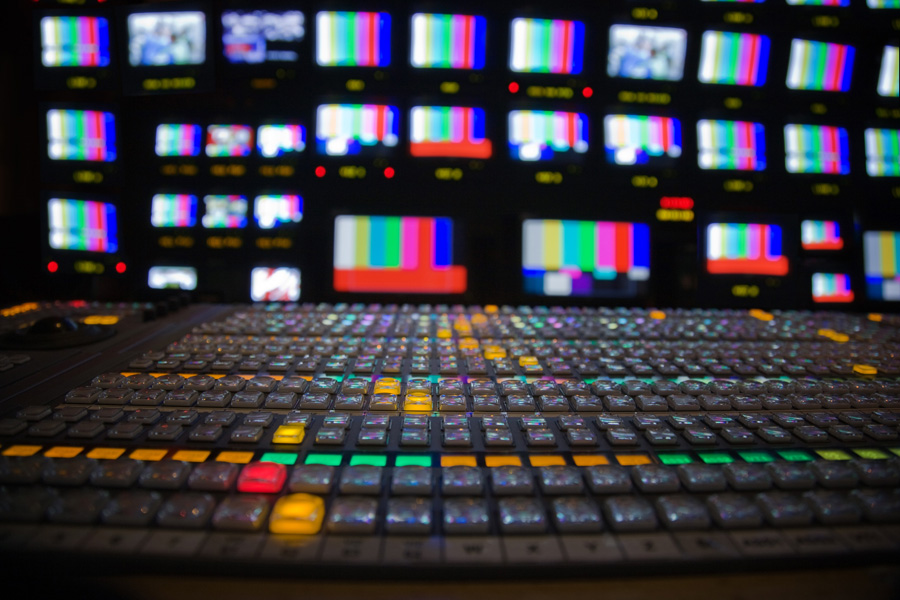
Additionally, gamification aspects, such as quizzes and simulations, can boost motivation and retention, making finding out more pleasurable and effective. These methods not just stimulate cognitive interaction but additionally satisfy diverse learning styles, making sure that all pupils can participate meaningfully. As a result, interactive learning settings cultivate a sense of community and belonging, inevitably resulting in enhanced scholastic end results. Through the combination of audio aesthetic modern technology, educators can change conventional class right into lively rooms where students flourish and proactively shape their academic journeys.
Connecting Theory and Method With Multimedia Resources
Multimedia sources function as an important link in between academic concepts and sensible application in educational settings. By boosting interaction, assisting in collective understanding experiences, and sustaining diverse discovering styles, these tools produce a much more comprehensive and dynamic discovering atmosphere - audio visual charlotte nc. This technique not just promotes much deeper understanding yet additionally prepares trainees for real-world challenges

Enhancing Involvement With Multimedia
Engagement in educational settings greatly increases when trainers include multimedia resources right into their mentor methods. Using video clips, podcasts, and interactive presentations improves the learning experience, enabling pupils to get in touch with the product on multiple levels. Multimedia resources accommodate different learning styles, supplying aesthetic, auditory, and kinesthetic stimulations that can hold students' focus better than traditional lecture approaches. In addition, these sources can streamline intricate concepts, making them extra available and memorable. By incorporating multimedia, instructors can produce a dynamic classroom environment that cultivates inquisitiveness and encourages learners. Ultimately, the strategic use of audio-visual innovation offers to link the space in between theoretical knowledge and practical application, enriching the academic experience for both trainers and pupils.
Assisting In Collaborative Knowing Experiences
Many researches suggest that collective knowing experiences markedly improve student outcomes when incorporated with multimedia resources. Multimedia tools promote interaction among pupils, allowing them to participate in analytical and vital believing collectively. By making use of video clip conferencing, joint systems, and interactive discussions, educators produce atmospheres conducive to teamwork and shared knowing. These innovations make it possible for students to connect their concepts successfully and get instant feedback, cultivating a deeper understanding of the subject. Additionally, multimedia resources can provide intricate concepts in even more absorbable formats, advertising discussion and partnership. Because of this, the combination of collective understanding and audio-visual innovation not only improves the educational experience but likewise prepares pupils for real-world teamwork dynamics, highlighting the importance of collaboration and collective understanding construction.
Sustaining Diverse Learning Styles
While traditional teaching approaches often provide to a limited variety of discovering preferences, the assimilation of audio-visual technology uses a much more comprehensive approach to education and learning. By employing multimedia resources such as videos, interactive simulations, and electronic discussions, instructors can address various learning styles, including aesthetic, acoustic, and kinesthetic. This versatility enables set apart direction, enabling pupils to involve with material in manner ins which reverberate with their individual preferences. Additionally, audio-visual devices can promote much deeper understanding by giving multiple depictions of complicated ideas. As an outcome, students that may fight with standard approaches can discover alternative pathways to success, fostering a more fair knowing atmosphere that sustains academic accomplishment for all students.
Challenges in Implementing Audio-Visual Technology
Although audio-visual innovation holds fantastic guarantee for improving educational experiences, its execution usually runs into significant obstacles. One primary problem is the economic problem connected with investing in and preserving such tools, which can stress budget plans, particularly in underfunded organizations. Furthermore, poor training for instructors can hinder reliable integration, leaving them ill-prepared to utilize the technology totally. Technical problems, such as software program breakdowns and compatibility issues, may likewise disrupt lessons and discourage both instructors and students. In addition, varying degrees of trainee accessibility to technology outside the class can produce differences in learning possibilities. The capacity for over-reliance on modern technology might detract from necessary mentor methods, eventually limiting the instructional experience. Attending to these obstacles needs an extensive strategy, consisting of sufficient funding, specialist development, and fair access to resources, to assure that audio-visual modern technology can be leveraged efficiently in today's instructional settings.
Ideal Practices for Integrating Innovation in the Class

Furthermore, cultivating an interactive sites setting via collaborative tools encourages pupil interaction and participation. Using diverse audio-visual resources deals with various finding out designs, suiting aesthetic, acoustic, and kinesthetic students. Routinely evaluating the influence of modern technology on pupil understanding helps educators improve their approaches advice and adapt to altering needs. Including students in the choice of modern technology promotes ownership and inspiration. By sticking to these ideal practices, educators can create a vibrant classroom atmosphere that efficiently integrates innovation and improves the academic experience for all pupils.
The Future of Audio-Visual Modern Technology in Education And Learning
As classrooms progressively embrace technology, the landscape of audio-visual devices in education and learning continues to evolve (audio visual charlotte nc). Future innovations are expected to concentrate on better interactivity and customization, allowing instructors to tailor finding out experiences to private trainee requirements. Innovations such as increased reality (AR) and virtual truth (VR) will likely supply immersive knowing settings, improving pupil engagement and understanding
Synthetic knowledge (AI) is poised to play a substantial role in audio-visual innovation by providing real-time feedback and adaptive learning paths. This assimilation may aid teachers recognize and deal with pupil challenges better. Cloud-based platforms will promote simpler accessibility to resources and collaboration amongst students and teachers, despite area.
In addition to these technological advances, expert growth for educators will be essential, ensuring they are geared up to make use of these devices effectively. Generally, the future of audio-visual modern technology in education promises to produce even more vibrant, comprehensive, and impactful learning experiences.
Often Asked Inquiries
How Can Teachers Choose the Right Audio-Visual Devices for Their Class?
Selecting suitable audio-visual devices needs educators to analyze their educational goals, consider student demands, evaluate offered innovation, and look for suggestions from peers or specialists, making certain devices effectively improve knowing and interaction within their details class atmosphere.
What Spending plan Considerations Are There for Executing Audio-Visual Technology?
Spending plan considerations for executing audio-visual technology consist of preliminary purchase expenses, maintenance expenditures, training for team, and more tips here possible software application licensing fees. Additionally, long-lasting investment in updates and substitutes need to additionally be factored right into monetary planning.
Exist Particular Training Resources for Educators on Audio-Visual Devices?
Lots of organizations supply training sources for educators on audio-visual devices, consisting of online programs, workshops, and instructional guides. These sources intend to enhance educators' abilities and self-confidence in successfully incorporating modern technology into their teaching methods.
Exactly how Do We Measure the Efficiency of Audio-Visual Technology in Learning?
Determining the efficiency of audio-visual technology in learning entails examining trainee interaction, comprehension, retention prices, and overall scholastic performance. Studies, evaluations, and observational studies can offer beneficial insights into its effect on academic results.
What Prevail Misunderstandings Concerning Audio-Visual Technology in Education?
Typical false impressions about audio-visual technology in education consist of the idea that it ensures engagement and finding out outcomes, along with the presumption that all students benefit just as, neglecting specific understanding preferences and requirements.